Materials That Match Your Project Standards
Abrasives and Adhesives in The Gorge for woodworkers who need performance-tested bonding and surface preparation materials
Hood River Hardwoods supplies abrasives and adhesives selected for the conditions and project demands common in The Gorge, where humidity swings between wet winters and dry summers affect bond strength and finish adhesion. You work with materials that perform consistently across seasonal changes, backed by guidance on which products match your wood species, joint type, and intended finish. The inventory reflects what local craftsmen actually use—not generic hardware store options that fail under stress or environmental exposure.
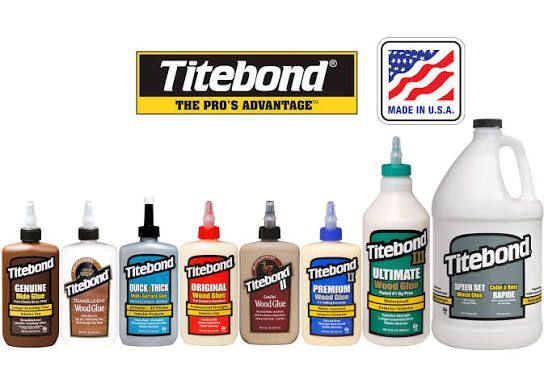
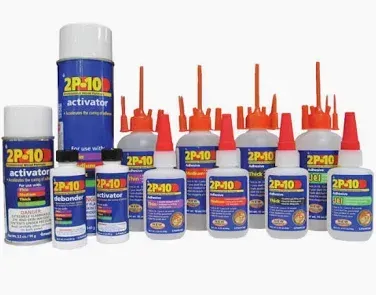
Abrasives determine whether your surface accepts stain evenly and whether your finish lays flat without telegraphing scratches, while adhesives create joints that either hold for decades or fail when moisture cycles stress the bond line. Hood River Hardwoods stocks grits, backing types, and adhesive formulations chosen for woodworking applications where the quality of prep work and assembly directly affects the final result.
Visit the shop to discuss which abrasive progression suits your wood hardness and which adhesive formula handles your joint geometry and exposure conditions.
How Surface Prep and Bonding Affect Finished Work
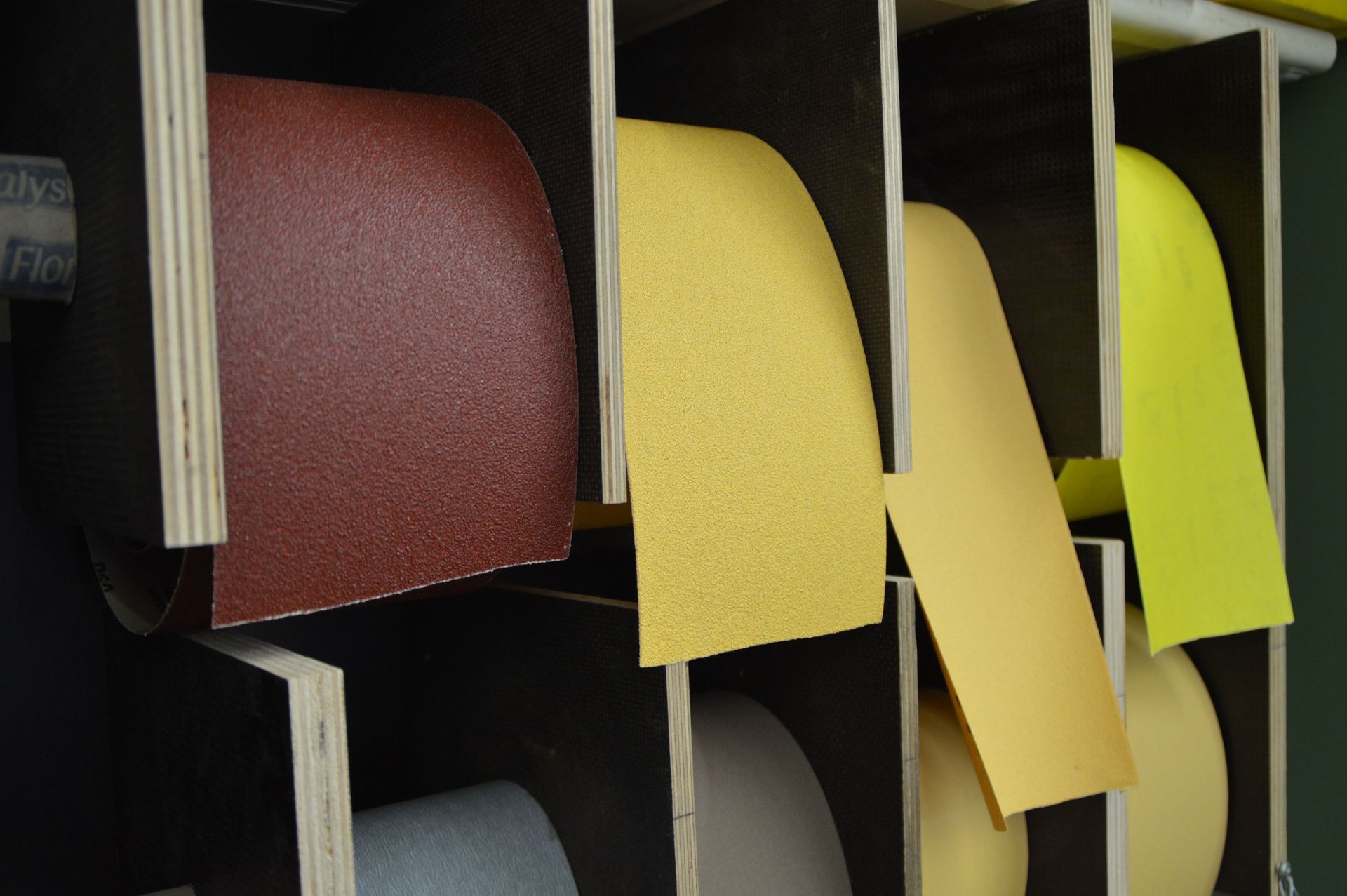
The abrasive grit sequence you use determines whether grain patterns show clearly or get muddied by cross-grain scratches, and the backing material affects whether edges stay crisp or round over during sanding. You choose from belt, disc, sheet, and specialty abrasives matched to your tool and the surface geometry you're preparing, with guidance on which grit transitions prevent skip marks that show through topcoats.
After proper surface preparation and adhesive application, joints cure without starved bond lines or squeeze-out that resists stain differently than surrounding wood. Your assemblies remain stable through seasonal movement, finishes adhere uniformly without fisheye or crawl, and sanding dust clears cleanly without clogging paper prematurely. Hood River Hardwoods provides the materials that let your skill show in the final piece rather than fighting product failures.
The business functions as a resource hub where selecting the right abrasive type or adhesive chemistry becomes a conversation about your specific project variables—wood moisture content, joint orientation, finish system, and expected service environment. This approach differs from simply stocking products; it builds knowledge transfer into every transaction so you make informed material choices rather than defaulting to whatever's on the shelf.
Questions Woodworkers Ask About Material Selection
Choosing abrasives and adhesives involves understanding how products respond to the wood species, joint types, and environmental conditions specific to your project and location.
What grit progression prevents visible scratches under film finishes?
You typically start at 80 or 100 grit to level surfaces, then progress through 120, 150, and 180, with each step removing scratches from the previous grit—skipping grits leaves marks that show through stain and topcoat, particularly on ring-porous woods like oak.
How does regional humidity affect adhesive selection in The Gorge?
Moisture swings between rainy winters and dry summers mean you need adhesives with gap-filling properties and flexibility to accommodate seasonal wood movement—rigid bonds crack when boards expand and contract, while elastomeric formulas maintain integrity through cycles.
When should you use open-coat versus closed-coat abrasives?
Open-coat abrasives resist loading when sanding resinous softwoods or removing finishes, because wider spacing between grains allows dust and debris to clear rather than clogging the surface, which extends paper life and maintains consistent cutting action.
What causes adhesive joints to fail in outdoor projects?
Failures typically result from using interior-grade adhesives that break down under UV exposure and moisture infiltration, or from insufficient clamping pressure that creates starved joints without full fiber-to-fiber contact—exterior projects require waterproof formulations and proper assembly technique.
How do you match sandpaper backing to your sanding method?
Cloth backing flexes around contours and resists tearing under aggressive stock removal, paper backing works for flat surfaces and fine finishing, and film backing provides the most consistent scratch pattern for precision work where uniformity matters more than speed.
Hood River Hardwoods connects material selection to project outcomes through direct consultation on your specific woodworking challenges. Stop by the shop to discuss which abrasive and adhesive combinations support the craftsmanship standards you're working toward in your current build.