
Equipment That Supports Precision Work
Power Tools in Hood River for woodworkers and craftsmen building projects that demand repeatable accuracy and reliable performance
Accurate joinery and consistent surface preparation require tools that hold settings, maintain speed under load, and provide the control needed to work hardwoods safely. Hood River Hardwoods connects woodworkers throughout the Columbia River Gorge with power tools suited to the demands of hardwood construction, whether you're a professional cabinetmaker running production work, a contractor installing custom trim, or a hobbyist developing skills on progressively complex projects. The right tool reduces setup time, cuts cleanly without tearout, and remains calibrated through extended use.
Power tool selection involves matching motor capacity, adjustment precision, and build quality to the type of work you perform most frequently. Underpowered tools bog down in dense hardwoods like oak or maple, while tools lacking fine adjustment capability limit your ability to achieve tight tolerances in joinery. Dust collection compatibility matters in shop environments, and features like blade guards, riving knives, and anti-kickback mechanisms affect both safety and cut quality when working with figured or reactive grain patterns.
Stop by to discuss tool options and evaluate models based on the specific hardwood species and project types you work with regularly.
Tools we partner with
- Festool
- Max Tools
- Feintool
- Amana Tool
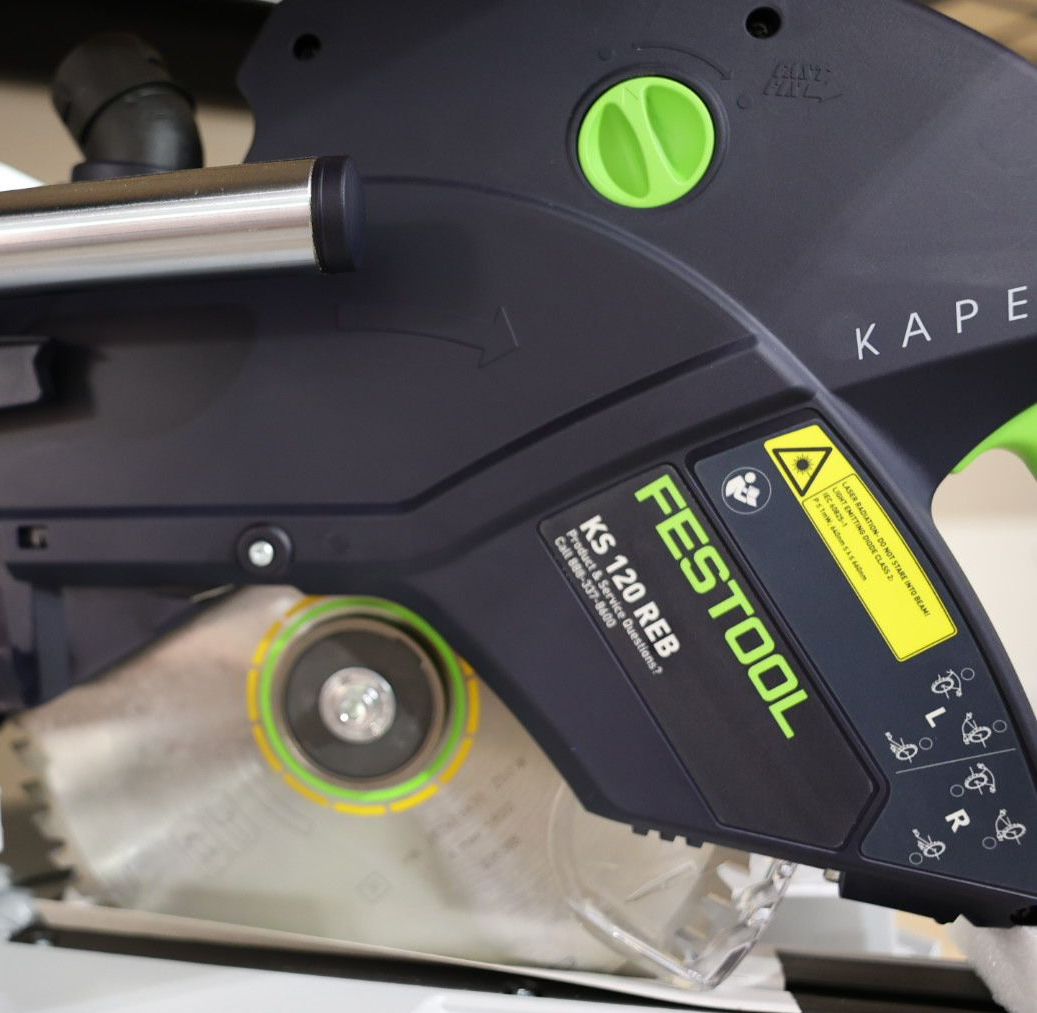
Why Proper Tool Selection Works for Your Projects
Acquiring power tools means evaluating whether the equipment provides adequate capacity for the materials you cut, sufficient precision for the joinery you build, and durability to withstand the demands of your work frequency. Saws require fences that remain square after repeated adjustments, planers need beds that stay flat under the pressure of dimensioning rough lumber, and routers must maintain consistent depth settings through production runs. Hood River Hardwoods sources tools from manufacturers whose designs address these practical demands, focusing on equipment that supports skill development and project quality rather than disposable options that compromise accuracy.
After setting up reliable equipment, you notice cleaner cuts that require less sanding, joinery that fits without gaps or forcing, and fewer interruptions to recalibrate settings between operations. Your shop workflow becomes more efficient as tools perform predictably, allowing you to focus on technique and design decisions rather than compensating for equipment limitations.
The selection includes stationary and portable tools appropriate for both dedicated shop spaces and job site installations, with guidance available on matching tool capacity to the scale and frequency of your work. Hood River Hardwoods also provides consultation on dust collection strategies and blade selection to support the power tools you choose, helping you build a coordinated toolset that addresses the full workflow from rough lumber to finished surfaces.
What Property Owners Usually Ask
Woodworkers throughout Hood River and the surrounding Gorge region often ask about tool capabilities and selection criteria before investing in equipment for their shops or job sites.
What power capacity do I need for cutting hardwoods?
Tools working with dense species like maple or oak require motors rated at least 15 amps for handheld equipment and 1.5 horsepower or greater for stationary saws, ensuring the blade maintains speed through cuts without bogging down or increasing kickback risk.
How does dust collection affect tool performance?
Effective dust removal prevents chip buildup that causes tearout in routed profiles, improves visibility of cut lines, and reduces respiratory exposure to fine hardwood dust, making collection capability a functional consideration beyond shop cleanliness.
Why do adjustment mechanisms matter for joinery?
Precise, repeatable fence and depth settings allow you to cut multiple identical components without test-fitting each piece, critical for projects like face frames or drawer boxes where cumulative error across multiple joints causes assembly problems.
What distinguishes contractor-grade from hobbyist tools?
Contractor tools typically feature cast iron tables instead of stamped steel, longer adjustment rails for handling full sheet goods, and components designed for daily use rather than occasional projects, affecting both accuracy and longevity.
How do I evaluate tools before purchasing in Hood River?
Hood River Hardwoods provides product demonstrations and consultation on specific project requirements, allowing you to assess whether a tool's capacity and features align with the hardwood species and joinery methods your work demands.
Hood River Hardwoods supports the woodworking community with equipment selections backed by practical guidance on tool capability and project fit. Visit to discuss your tool needs and evaluate options that suit your shop's workflow and project standards.