
Material That Matches Your Standards
Lumber in Hood River for woodworkers, builders, and hobbyists working with hardwood species that require specific grain, dimension, or performance characteristics
Projects that demand visible grain quality or structural reliability require lumber selection beyond generic dimensional stock. Hood River Hardwoods provides access to regional and local hardwood species throughout the Columbia River Gorge, serving contractors building custom interiors, furniture makers selecting boards for specific grain patterns, and hobbyists learning to evaluate wood quality for their developing skills. You source material based on what the finished piece requires, whether that means clear, knot-free boards for tabletops or figured grain for decorative applications.
Hardwood lumber selection considers species characteristics, board grading, moisture content, and dimensional stability for the intended use. Unlike commodity softwoods, hardwoods are graded on the percentage of clear, usable surface area, meaning you evaluate each board for how much material remains after cutting around defects. Hood River Hardwoods stocks lumber that has been properly dried and graded, reducing the risk of warping, cupping, or checking that occurs when inadequately processed wood is introduced to interior environments or exposed to the humidity fluctuations common in Gorge microclimates.
Schedule a visit to review current inventory and discuss material requirements for your upcoming projects.
What Proper Lumber Selection Requires
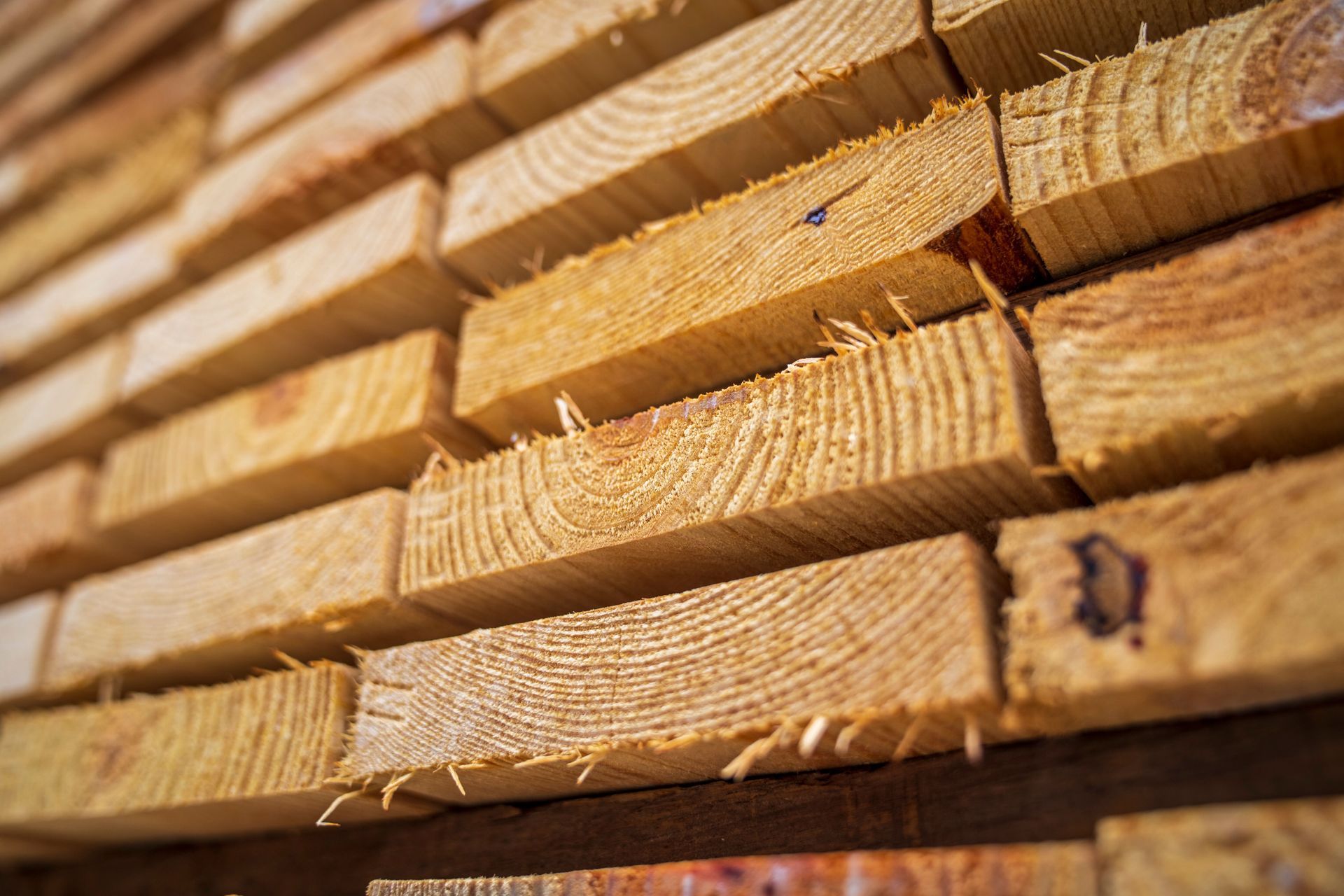
Sourcing hardwood involves evaluating species suitability, grain orientation, and board dimensions relative to your project's cut list. Flat-sawn, quarter-sawn, and rift-sawn boards exhibit different grain patterns and dimensional movement, affecting both visual appearance and how the wood responds to changes in humidity. Species selection determines workability, finishing characteristics, and durability, with denser hardwoods like oak and maple offering different performance than softer species like cherry or walnut. The right lumber choice reduces waste by providing adequate clear surface area and dimensions that align with your cutting requirements.
After selecting and milling your lumber, you notice consistent grain patterns across joined surfaces, minimal movement as the wood reaches equilibrium with your shop or installation environment, and uniform color response when finishes are applied. Boards maintain flat, stable surfaces that allow precise joinery and reduce the need for excessive planing or sanding to correct warping introduced by improper drying or storage.
Hood River Hardwoods offers consultation services to help you match lumber specifications to project requirements, whether you're a contractor estimating material for trim carpentry, a furniture maker selecting boards for a commissioned piece, or a hobbyist learning to distinguish between lumber grades. Inventory includes both common hardwood species and specialty options sourced for specific applications, supported by guidance on how to evaluate board quality and calculate material needs based on your cut list.
Questions Before Selecting Your Lumber
Craftsmen and builders throughout the Columbia River Gorge frequently ask about lumber characteristics and selection criteria before committing to materials for their projects.
What does lumber grading mean for usable material?
Hardwood grading reflects the percentage of clear, defect-free surface area on each board, with higher grades providing more usable material but at increased cost, requiring you to balance project needs against budget constraints.
How does local climate affect lumber stability?
The Columbia River Gorge experiences seasonal humidity shifts that cause wood movement, making it critical to work with properly dried lumber and allow materials to acclimate to your shop or job site conditions before milling and assembly.
Why does grain orientation matter beyond appearance?
Quarter-sawn lumber moves less across its width during humidity changes compared to flat-sawn boards, making grain orientation a functional consideration for panels, tabletops, and other applications where dimensional stability prevents joinery failure.
How do I calculate lumber needs for a project?
Account for board defects, saw kerf waste, and the need to orient grain direction consistently across your project, typically requiring 20 to 30 percent more material than the finished dimensions suggest.
What species work best for exterior applications in Hood River?
Species with natural rot resistance and dimensional stability, such as white oak or certain regional options, perform better in the Gorge's wet climate, though proper finishing and maintenance remain essential for longevity.
Hood River Hardwoods connects woodworkers with the materials and knowledge needed to execute projects with confidence. Visit to discuss your lumber requirements and review available stock for your next build.