
Products That Restore and Protect Wood Surfaces
Finishing and Repair in The Gorge for craftsmen addressing damage, wear, and long-term surface protection on wood projects
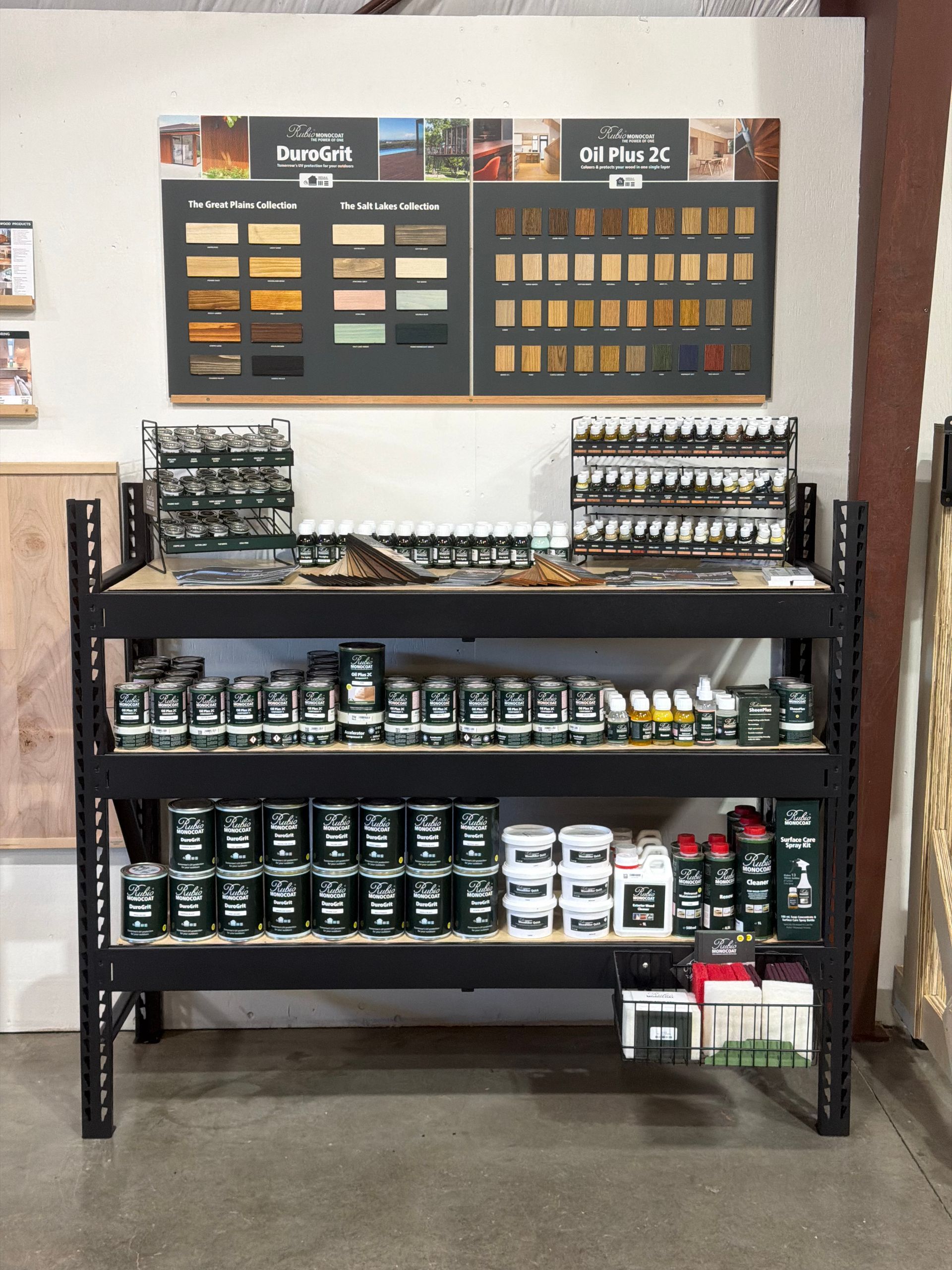
Water rings on tabletops, dents in cabinetry, and finish failures from UV exposure represent common problems that finishing and repair products address when selected correctly for the damage type and wood species. Hood River Hardwoods stocks restoration materials and protective finishes that match the environmental conditions in The Gorge, where outdoor pieces face intense summer sun and winter moisture while indoor work contends with heating-season dryness. You gain access to products that professionals rely on for repairs that blend invisibly and finishes that hold up under actual use rather than failing within the first season.
Finishing and repair supplies include everything from grain fillers and color-matched putties to film-forming topcoats and penetrating oils, each formulated for specific substrate conditions and performance requirements. The business prioritizes education around product selection, application technique, and realistic performance expectations so you understand what each material does and how it responds to the conditions your piece will face.
Schedule time at the shop to review your damaged piece or unfinished project and discuss which repair approach and finish system suits your goals.
What Proper Finishing and Repair Require
Successful repairs begin with correctly diagnosing whether damage sits in the finish layer or extends into the wood substrate—surface scratches buff out with rubbing compounds, while gouges require filling and color matching before topcoat application. You select fillers based on whether the repair will be visible or hidden, whether it needs to accept stain, and whether the surrounding finish is intact or requires stripping and refinishing to blend the repair invisibly.
Once repairs cure and surfaces are properly prepared, finish application creates a protective barrier that either enhances grain clarity or builds film thickness for durability, depending on the product chemistry you choose. Your projects show even sheen without brush marks or lap lines, colors remain stable under light exposure, and surfaces resist water, solvents, and abrasion according to the finish type applied.
Hood River Hardwoods approaches finishing as a craft skill that improves through informed material choices and technique refinement—the inventory includes multiple finish families so you can compare oil-based, water-based, and solvent-based systems for your specific application, and staff guidance helps you understand trade-offs between durability, appearance, and ease of application.
Common Questions About Finishing and Repair
Selecting repair materials and finish systems involves matching product characteristics to the damage pattern, wood type, and service environment your project will encounter.
What determines whether a finish repair will show after completion?
Blending success depends on matching both color and sheen across the repair boundary—even if you match the tint perfectly, a gloss patch on a satin surface remains visible, so you either feather the repair into surrounding finish or strip and refinish the entire surface for uniformity.
How do film-forming finishes differ from penetrating oils in performance?
Film finishes like polyurethane and lacquer build a protective layer on the wood surface that resists water and physical damage but can scratch or chip, while penetrating oils soak into wood fibers to provide some protection with easier repair but less resistance to spills and wear.
When should you use wood filler versus epoxy for repair work?
Wood fillers work for cosmetic repairs in low-stress areas where color match matters more than strength, while two-part epoxies provide structural integrity for load-bearing repairs or areas exposed to moisture—epoxy bonds to deteriorated wood and cures harder than the surrounding substrate.
What causes finish failures on exterior projects in The Gorge?
The combination of intense UV exposure during summer months and prolonged moisture during winter breaks down finishes that lack sufficient UV inhibitors and water repellency—exterior projects require marine-grade or exterior-specific formulations with proper surface prep and recoat schedules.
How does wood moisture content affect finish adhesion and curing?
Applying finish to wood above twelve percent moisture content traps water that interferes with curing, causes bubbling or blushing, and leads to early finish failure—checking moisture levels before application prevents bonding problems and ensures the finish cures properly.
Hood River Hardwoods provides finishing and repair materials alongside the technical knowledge that turns product application into successful restoration and protection. Bring your project details to the shop so we can discuss which approach gives you results that last and look right for your specific situation.