
Cutting Edges Built for Hardwood
Blades and Bits in Hood River for craftsmen and contractors working with hardwood species that require clean cuts, accurate profiles, and extended edge life
Clean joinery and smooth surface preparation in hardwoods depend on cutting edges that stay sharp through dense material, resist heat buildup, and produce chip-free results across figured grain. Dull or inappropriate blades cause tearout in oak, burning in maple, and chipping on veneer plywood, forcing you to spend additional time on surface correction that could have been avoided with proper tooling. Hood River Hardwoods stocks router bits, saw blades, and specialty cutters throughout the Columbia River Gorge for woodworkers who recognize that cutting tool quality directly affects both the efficiency of their workflow and the finish-ready condition of machined surfaces.
Blade and bit selection involves matching tooth or flute geometry to the material being cut, choosing carbide grade for the expected tool life, and selecting appropriate coatings to reduce pitch buildup. Crosscut blades require different tooth configurations than rip blades, while router bits for hardwood need shear angles and flute designs that clear chips efficiently without overheating. Hood River Hardwoods provides consultation on which cutting tools suit specific hardwood species and operations, helping you avoid the false economy of inexpensive edges that dull quickly or produce surfaces requiring extensive rework.
Visit to review blade and bit options and discuss which specifications match the hardwood work you perform most frequently.
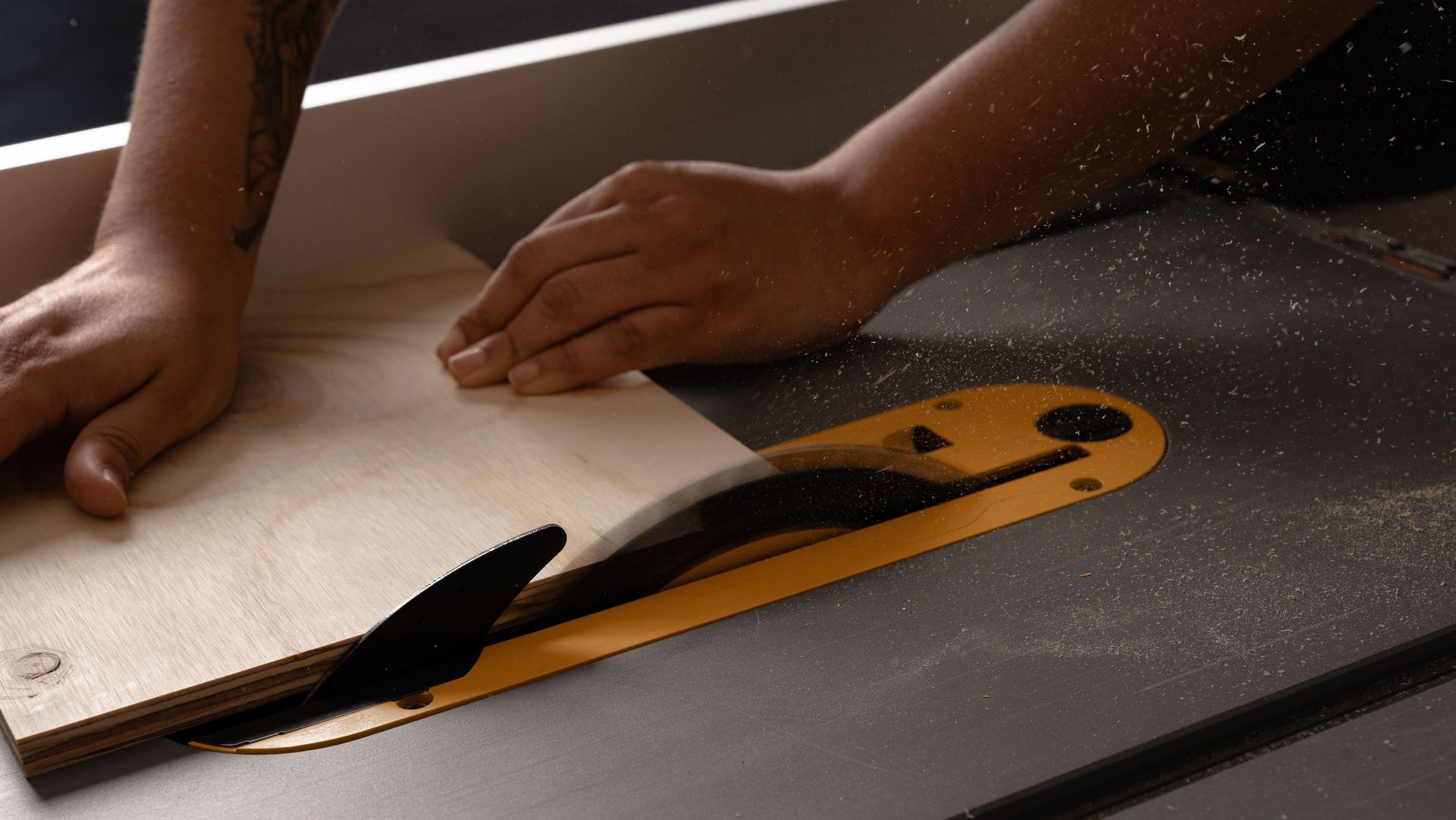
What Changes After Tooling Upgrades
Selecting quality blades and bits means evaluating carbide quality, tooth geometry, and edge coatings relative to how the cutter will be used and how often it requires sharpening. Premium carbide holds an edge longer in abrasive hardwoods, reducing the frequency of blade changes and maintaining consistent cut quality through production runs. Tooth count and hook angle affect feed rate and surface finish, with higher tooth counts producing smoother cuts at the expense of slower feed speeds. Anti-friction coatings reduce heat and pitch accumulation, particularly important in resinous woods or when working in the humid conditions common throughout the Gorge during certain seasons.
Once you install appropriate cutting edges, you notice tear-free surfaces on cross-grain cuts, burn-free edges on ripped stock, and router profiles that require minimal sanding before finishing. Blade changes happen less frequently, joinery fits tightly without gaps caused by ragged cuts, and your workflow accelerates as you spend less time correcting surface defects introduced by inadequate tooling.
Hood River Hardwoods carries blades and bits designed for hardwood applications, including specialty profiles for trim and furniture work, dado sets for precision joinery, and general-purpose cutters that balance versatility with performance. The inventory addresses both stationary tool requirements and portable equipment needs, with guidance available on maintenance practices that extend edge life and cutting recommendations for specific hardwood species common in regional projects.
Answers to Frequent Service Questions
Contractors and woodworkers across the Columbia River Gorge regularly ask about blade specifications and bit selection before committing to cutting tool purchases for their shops or jobs.
What tooth count works best for crosscutting hardwood?
Blades with 60 to 80 teeth produce smooth crosscuts in hardwoods by taking smaller bites that reduce tearout, though they cut more slowly than lower tooth count rip blades designed for cutting with the grain.
How does carbide quality affect tool life in Hood River shops?
Premium carbide grades resist dulling longer when cutting dense species like oak or maple, maintaining sharp edges through more linear feet of cutting before requiring professional sharpening or replacement.
Why do router bit profiles matter beyond shape?
Bit geometry affects chip evacuation, heat buildup, and the smoothness of the cut surface, with multi-flute designs and shear angles producing cleaner profiles in hardwoods compared to basic straight-cutting edges.
What causes blade burn marks on hardwood?
Dull teeth, excessive feed pressure, or inadequate gullet capacity for chip clearance generate friction heat that scorches wood surfaces, requiring blade sharpening or replacement and adjustment of feed rates to prevent recurrence.
How often should blades be sharpened for hardwood work?
Cutting frequency and wood species determine sharpening intervals, but most craftsmen working regularly with hardwoods sharpen saw blades after 8 to 15 hours of cutting time to maintain optimal performance and prevent the additional wear that occurs when forcing dull edges through dense material.
Hood River Hardwoods connects the regional woodworking community with cutting tools that support quality work and efficient shops. Stop by to examine blade and bit options and receive guidance on matching cutting edges to your specific hardwood applications and project demands.